The Overlooked Role of Podiatrists in Care Homes: Why Routine Foot Care Matters
In many care homes, there is a significant lack of understanding among both residents’ families and care home staff about the importance of regular visits from HCPC-registered podiatrists. This oversight can have profound implications for the health and wellbeing of residents, as well as for the home’s compliance with regulatory frameworks.
The Link Between Foot Health and Overall Wellbeing
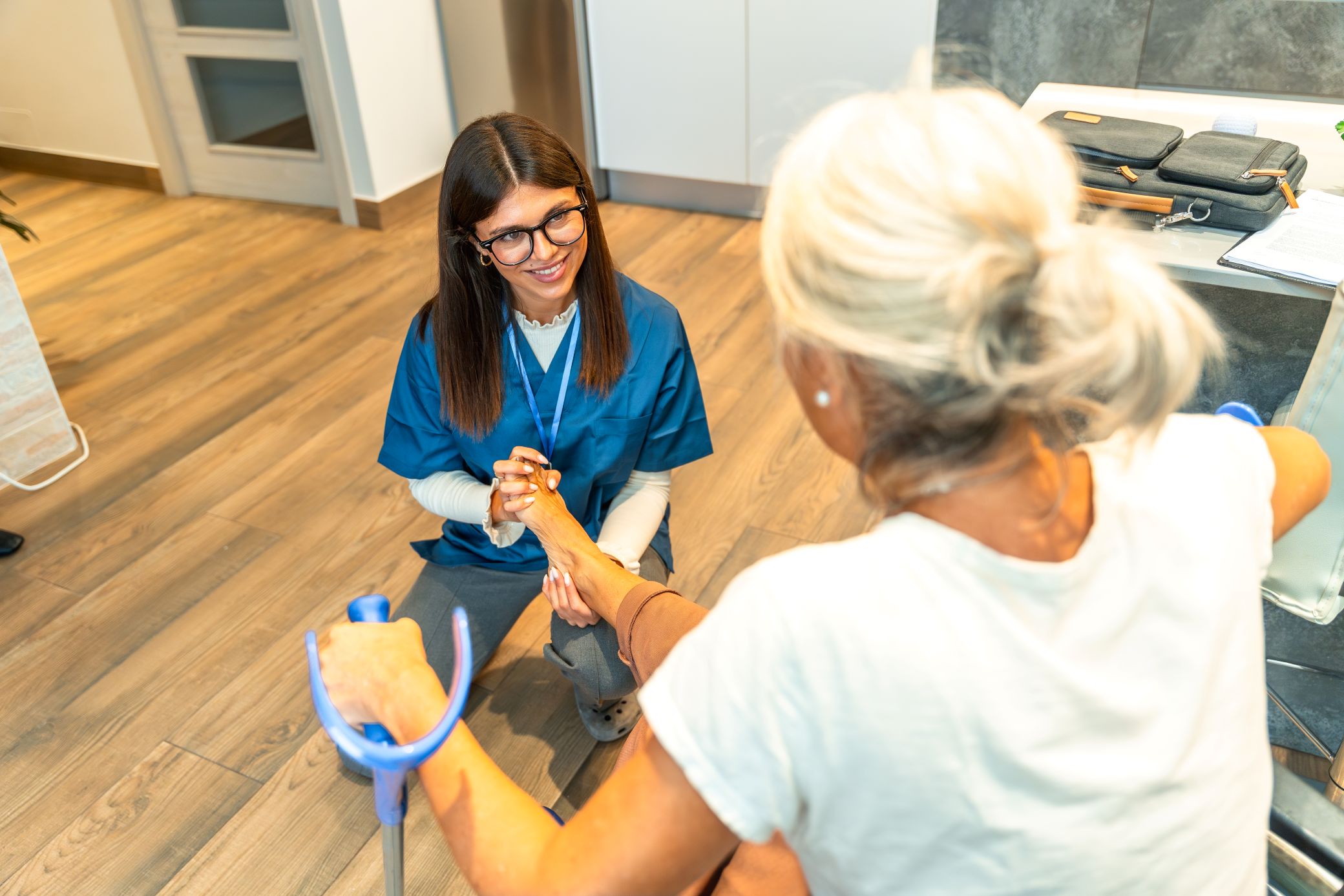
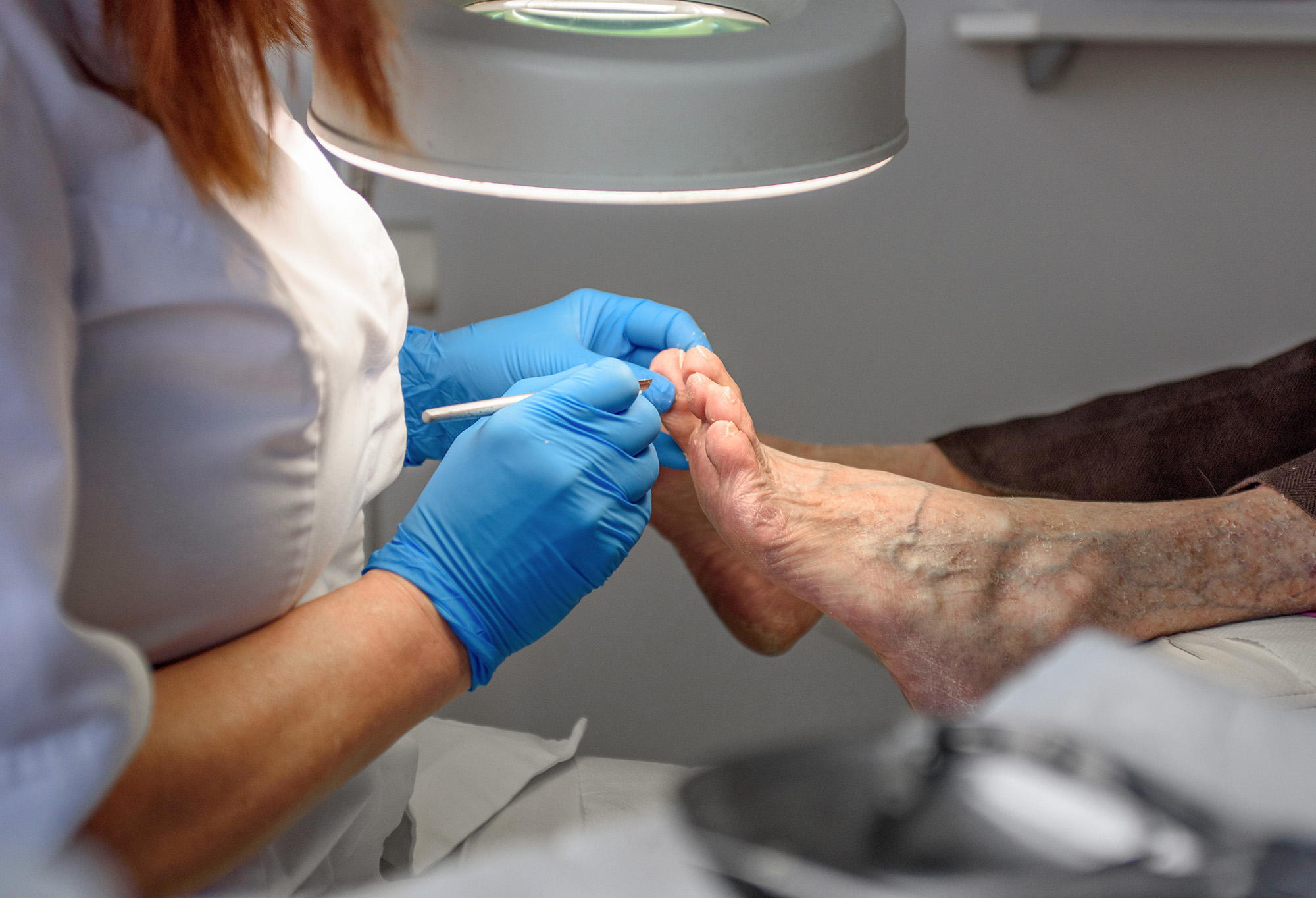
Routine podiatric care is more than just nail trimming; it is an essential component of maintaining mobility, preventing infections, and reducing the risk of falls. Untreated foot conditions can lead to pain, loss of independence, and a decline in physical activity, which in turn can exacerbate other chronic health issues such as diabetes, cardiovascular disease, and joint problems. For frail or elderly residents, these issues can rapidly escalate, leading to avoidable hospital admissions and increased comorbidities.
Impact on Person-Centred Care
Modern care homes are expected to deliver person-centred care, with individualised plans that promote dignity, independence, and overall wellbeing. Neglecting regular podiatric input undermines these plans. Foot pain or untreated conditions may limit a resident’s participation in social activities, exercise programmes, or even daily routines, thereby compromising the very principle of personalised care. Including podiatric assessments in care plans ensures that residents remain mobile, engaged, and comfortable.
Regulatory Compliance and Best Practice
Care homes in the UK are regulated by local authorities and the Care Quality Commission (CQC), which expect providers to meet residents’ holistic health needs. Failure to address foot health may put a home at risk of non-compliance under the ‘Safe’ and ‘Effective’ key lines of enquiry (KLOEs). Demonstrating regular visits from HCPC-registered podiatrists, documenting interventions, and integrating findings into care plans can strengthen a home’s compliance profile and improve inspection outcomes.
Conclusion
Raising awareness of the importance of podiatry among families and staff is not just a matter of good practice – it is a fundamental aspect of safeguarding residents’ health and independence. Regular visits from HCPC-registered podiatrists should be viewed as a vital element of a comprehensive, person-centred care plan and an important step towards ensuring regulatory compliance and excellent care outcomes.