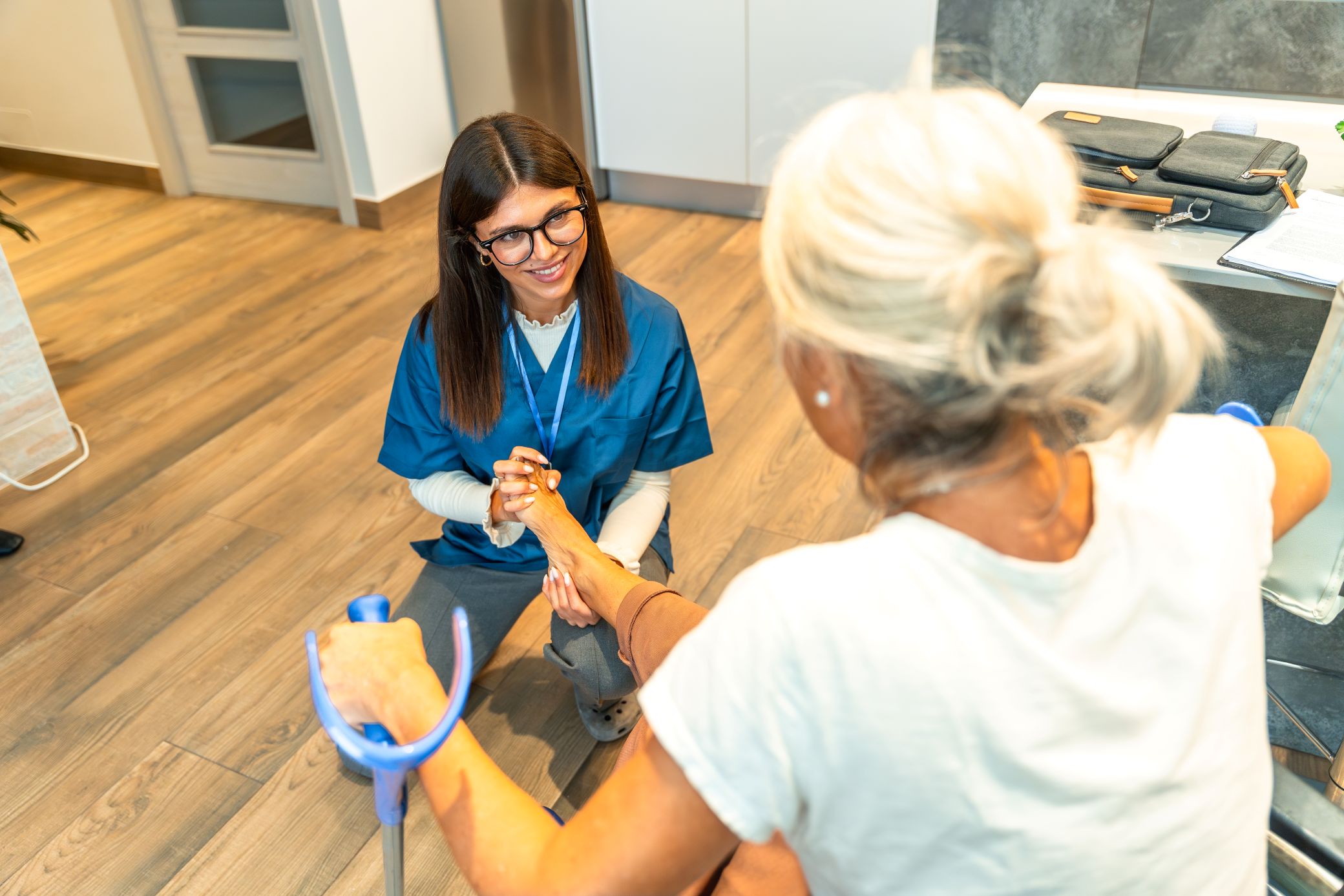
In a care home setting, the health of residents’ feet is often an overlooked indicator of their overall wellbeing. Yet the feet, made up of 26 bones, 33 joints, and more than 100 muscles, tendons and ligaments can reveal early signs of systemic health problems.
As podiatrists often remind us, the feet act as the body’s “early warning system.” For older adults, especially those with limited mobility or chronic health conditions, caregivers are in a key position to notice changes in the feet that might signal underlying medical issues.
Circulatory Health: Cold Feet, Poor Healing, and Colour Changes
The feet are the farthest point from the heart, so circulatory issues often appear there first. Care staff should regularly observe for:
- Cold, pale, or bluish feet, which may indicate poor blood flow or peripheral arterial disease (PAD).
- Slow-healing wounds or ulcers, often linked to diabetes or vascular problems.
- Swelling (oedema), which can be associated with heart, kidney, or venous disease.
Any of these signs warrant prompt reporting to a nurse or GP for further assessment. Early action can prevent serious complications.
Nervous System Clues: Numbness, Tingling, or Burning
Residents may not always describe symptoms clearly, so vigilance is key. Watch for:
- Changes in sensitivity, such as residents not reacting to touch or temperature.
- Complaints of burning or tingling, which may suggest neuropathy from diabetes, vitamin deficiencies, or medication side effects.
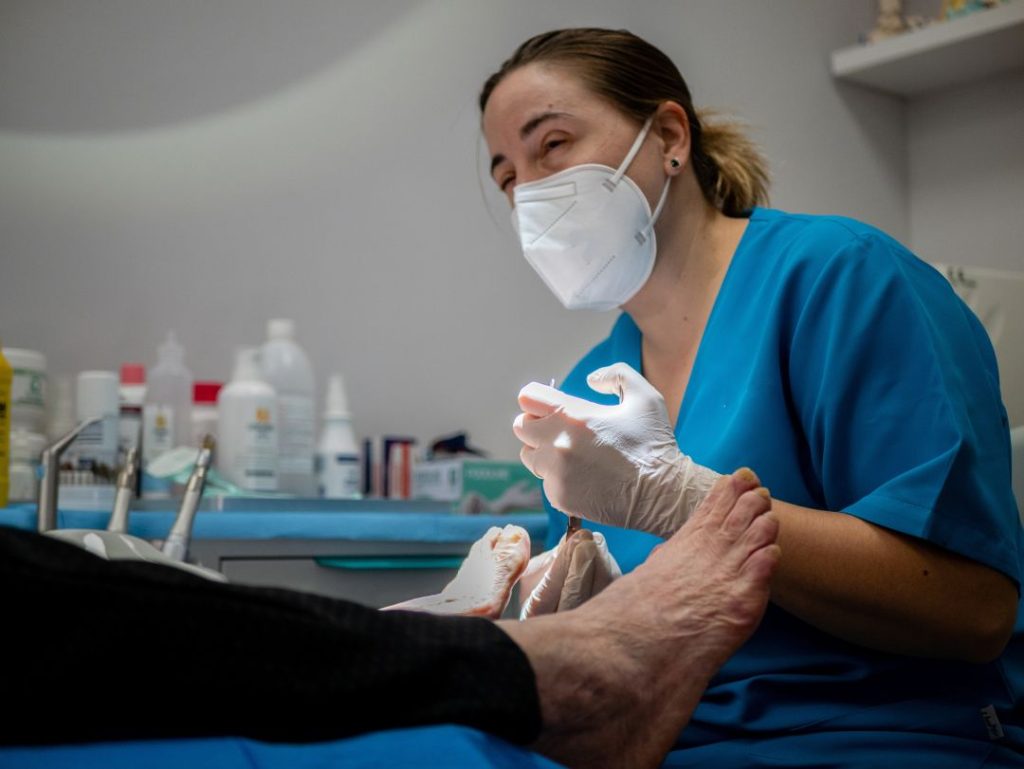
Routine podiatry visits and regular foot checks are vital for identifying nerve-related issues early.
Skin and Nail Changes: More Than Cosmetic
Skin and nail health provide important clues about nutrition, circulation, and systemic disease:
- Dry, cracked skin can point to thyroid imbalance or dehydration.
- Yellow or thickened toenails may suggest fungal infection or medication effects.
- Dark streaks or irregular marks under nails should always be escalated for medical review, as these could indicate subungual melanoma.
Regular cleaning, drying, moisturising, and inspection of residents’ feet should form part of daily care routines.
Musculoskeletal Health: Alignment and Mobility
Foot structure and movement can affect a resident’s overall comfort and mobility:
- Flat feet or high arches may alter gait and cause joint pain.
- Sudden changes in walking pattern or posture can signal new pain, arthritis, tendon problems, or neurological conditions.
Encourage early referral for podiatric assessment if mobility changes are observed—addressing issues promptly helps reduce fall risk and maintains independence.
Metabolic and Systemic Conditions
Many systemic diseases first manifest in the feet:
- Diabetes: Look for reduced sensation, slow-healing wounds, or skin changes.
- Gout: Sudden swelling or redness, especially in the big toe.
- Liver or kidney disease: May cause swelling, itching, or colour changes.
Staff should document and escalate these signs promptly. Regular foot checks by trained personnel can detect problems before they become serious.
Emotional and Lifestyle Clues
The condition of a resident’s feet can even reflect emotional or lifestyle factors:
- Tense or rigid feet may indicate stress, anxiety, or discomfort.
- Calluses or pressure areas reveal how weight is distributed and may suggest issues with footwear or mobility aids.
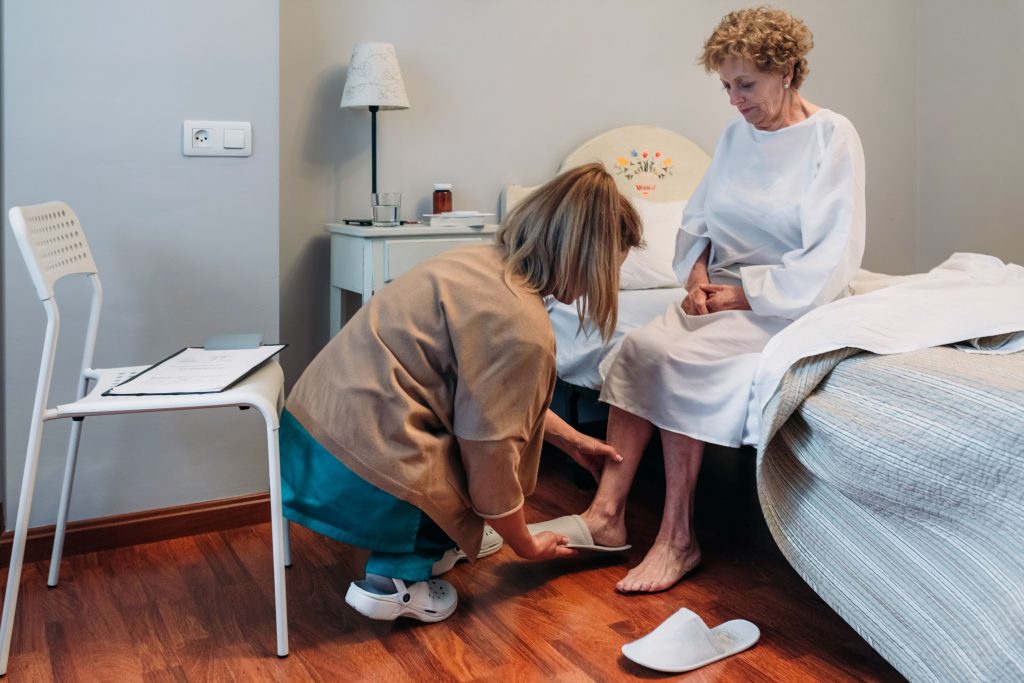
Regularly reviewing footwear and ensuring good comfort and fit can greatly improve residents’ wellbeing.
In Summary
For care home residents, maintaining foot health is not just about comfort—it’s an essential part of overall health monitoring. Caregivers play a crucial role in identifying early warning signs and ensuring appropriate intervention.
By incorporating daily foot observation, routine podiatry visits, and timely reporting of changes, staff can help prevent serious complications and promote residents’ mobility, comfort, and dignity.
As HCPC-registered podiatrists, we encourage all care home teams to make foot health a standard part of their care practice. The feet can tell us a great deal—if we take the time to look and listen.